Improving Digital Platforms for Millions of People
Improving the HHS Services Platforms for More than One Million Residents (2021)
As a Program Manager (change Management) at the Montgomery County, I was involved in two programs that served the county residents through online platforms. One was the Covid19 Emergency Assistant Relief Program (EARP) and the other was Service Integration Program.
For the EARP, I prepared the content for the EARP website. The content followed an information architecture to facilitate the application process for the users to apply and get information. In Service Integration Program, the IT engineers had put together a website to integrate multiple HHS services into a single platform. After reviewing the website, I provided user feedback for each page and added alternative digital prototypes for the pages using Photoshop. These platforms are not currently online and will be available in the near future.
Designing a Website for a Business, Tangled Joy (2020-2021)
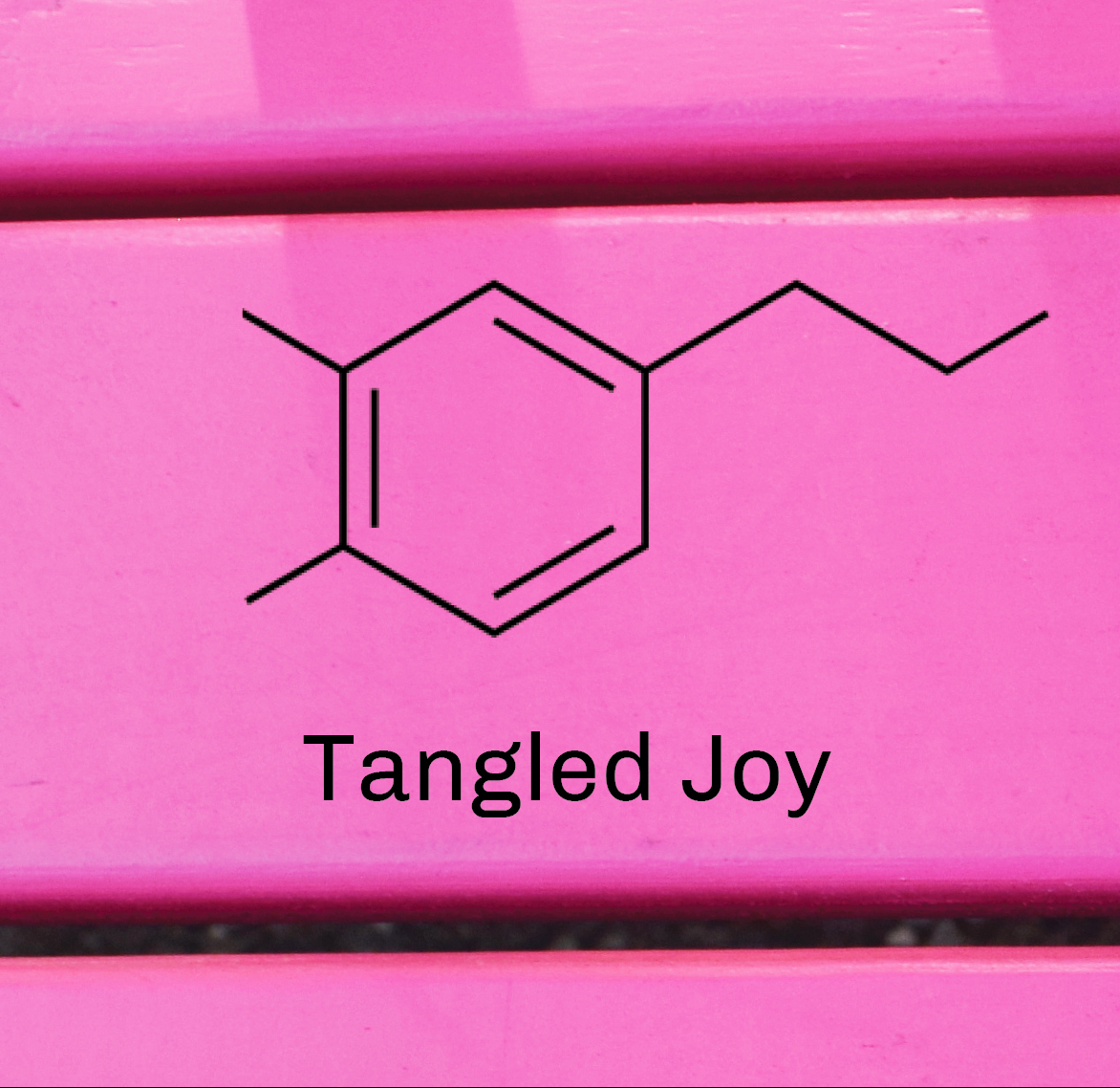
Tangled Joy is a startup that provides workshops and products to enhance problem solving and collaboration.
Besides my management role as the founder, I also created the user’s experience through designing the website. TangledJoy.com, offers information about services and directly sells products. I built the website through mapping and prioritizing the needs and testing multiple prototypes.
Improving the Telehealth Experience for Thousands of Users (2020)
I worked with a team of doctors, patients and designers to improve the Telehealth experience at the Innovation Lab at the office of Personnel Management. Telehealth is a digital health services by Department of Health and Human Services that serves thousands of people across US.
I was a Design Strategist and the Research Lead, working with four peers and ten partners.

During the Covid19 pandemic, the use of virtual health visits had increased significantly, 1000%. Therefore, there was an urgent need for improving the experience for both healthcare providers and patients.
Together with two of my peers, we co-planned the six months project using Mural, which is an online collaboration tool. We drafted the stakeholders and the overall schedule for the project. Then I prepared the research strategies and materials by drafting the research guide, interview questions and creating a depository for data. The research guide included the general guideline on who, how many and how to collect the qualitative data. Given the limited short time, we scheduled and started the interviews one week into the project and after talking with stakeholders. We interviewed twenty patients, ten doctors and health staff within the first mont. I led the synthesis of the data which basically means transforming data into understanding. Together with our partners, we created the insights and shared the research results with the larger team which included fifteen stakeholders.
Some of the big picture insights included adjusting early expectations for both patients and staff and aligning the Telehealth experience across different hospitals for consistency and customer’s satisfaction.
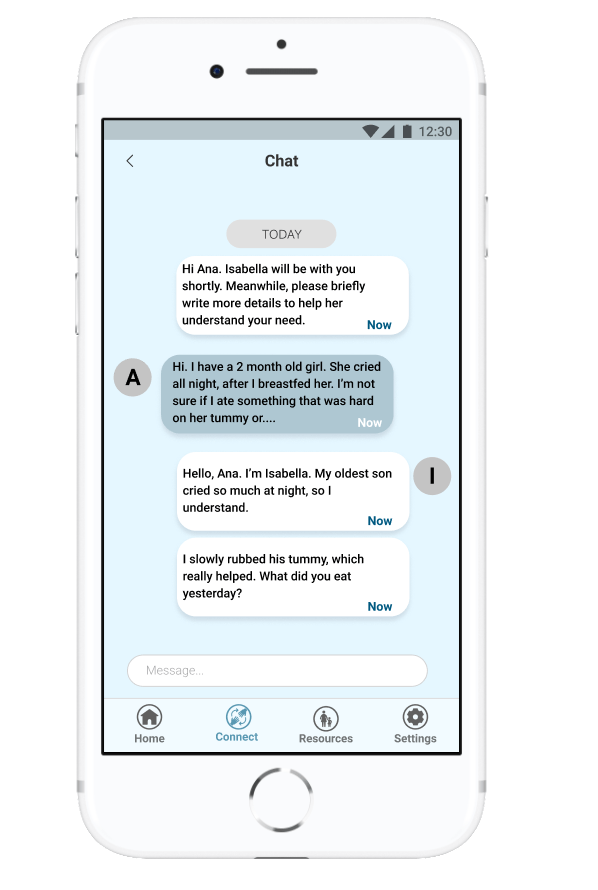
Lily, a Mobile App to Support New Mothers (2020)
When the Covid-19 pandemic created isolation and fear, as a Designer I felt responsible to take an action in order to improve the situation. I had a friend in Germany who was a new mom and due to the pandemic and the fear of her baby’s health, she was quarantined and isolated.
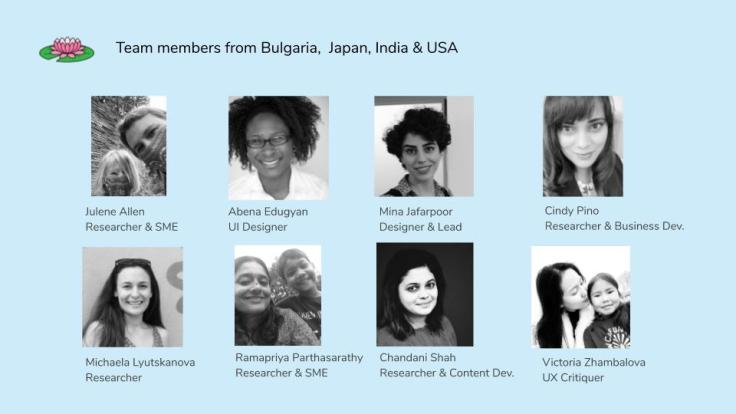
I joined a Covid-19 Hackathon and pitched an idea to solve for my friend’s challenge and new moms like her. We became a group of eight members to solve the challenge within a week.
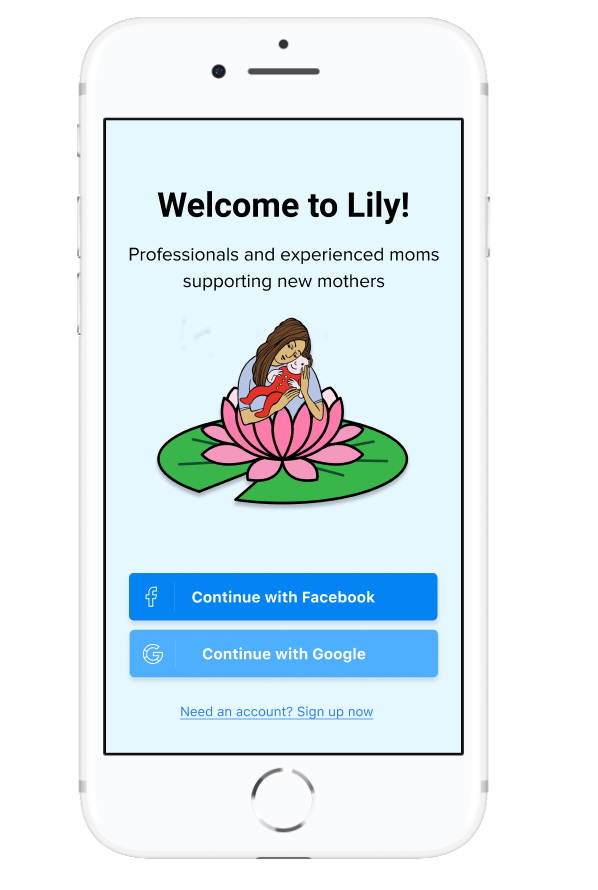
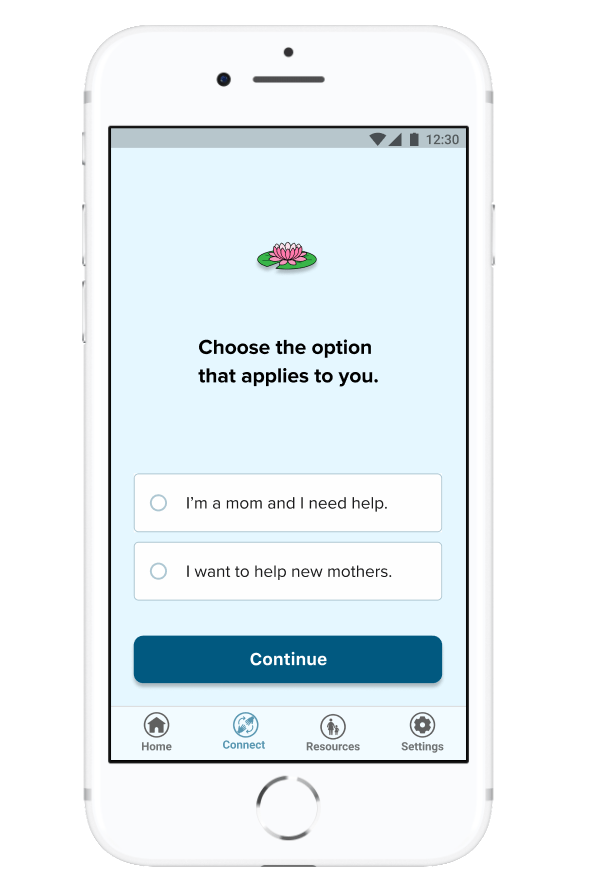
The solution was a system that connected experienced mom to new moms through Lily. Lily is a phone application. As a team, we used multiple research methods including reviewing literature on new mom’s anxiety and performed surveys on mother’s needs and available resources for new moms. We created paper prototypes and wireframes. Then we used Figma software to create the mock up for the application.
Improving Application Process for Thousands of Applicants (2019)
There are about 6,000 Presidential Management Fellows (PMF) who went through an application process, were selected and started a two-year fellowship program to join the public service. The application process have changed over time to provide a better experience for applicants.
As a Designer with the office of Personnel Management (OPM), I was given the opportunity to improve the PMF application process. Our team had four members and I was the designer on the team. The project was done through a six months period, within two different phases. The first phase focused on improving the general experience for applicants and the second phase focused on improving the digital application platform.
This project included the full Design cycle, from research to prototype and test. I drafted the research plan and research questions. We interviewed about 40 applicants and five PMF staff. I led the synthesis process and together with the PMF staff, we co-created short term and long term solutions. Then with two peers, we created digital prototypes for selected ideas and presented to the PMF staff for implementation. The PMF program director and staff embraced the prototypes and passed them to the IT team for implementation.
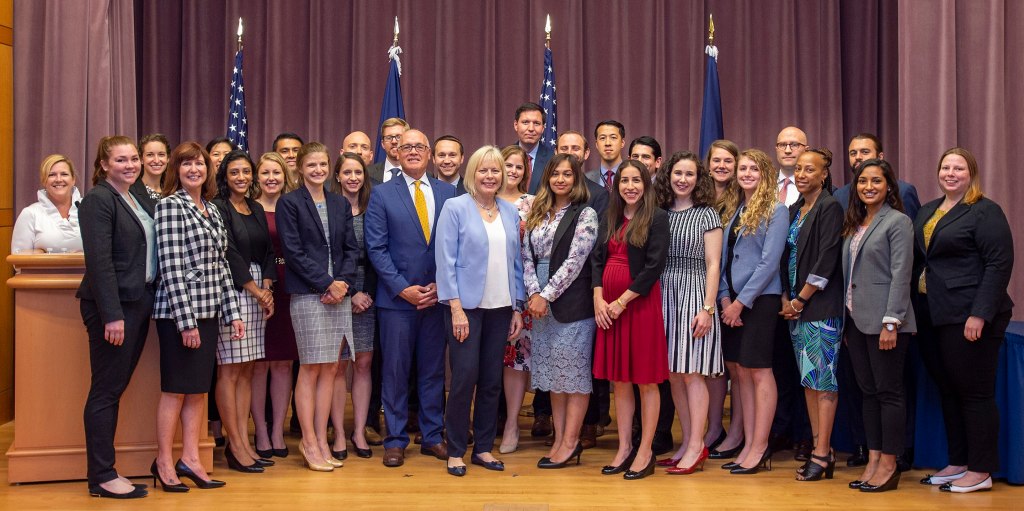
PMF, Class of 2019 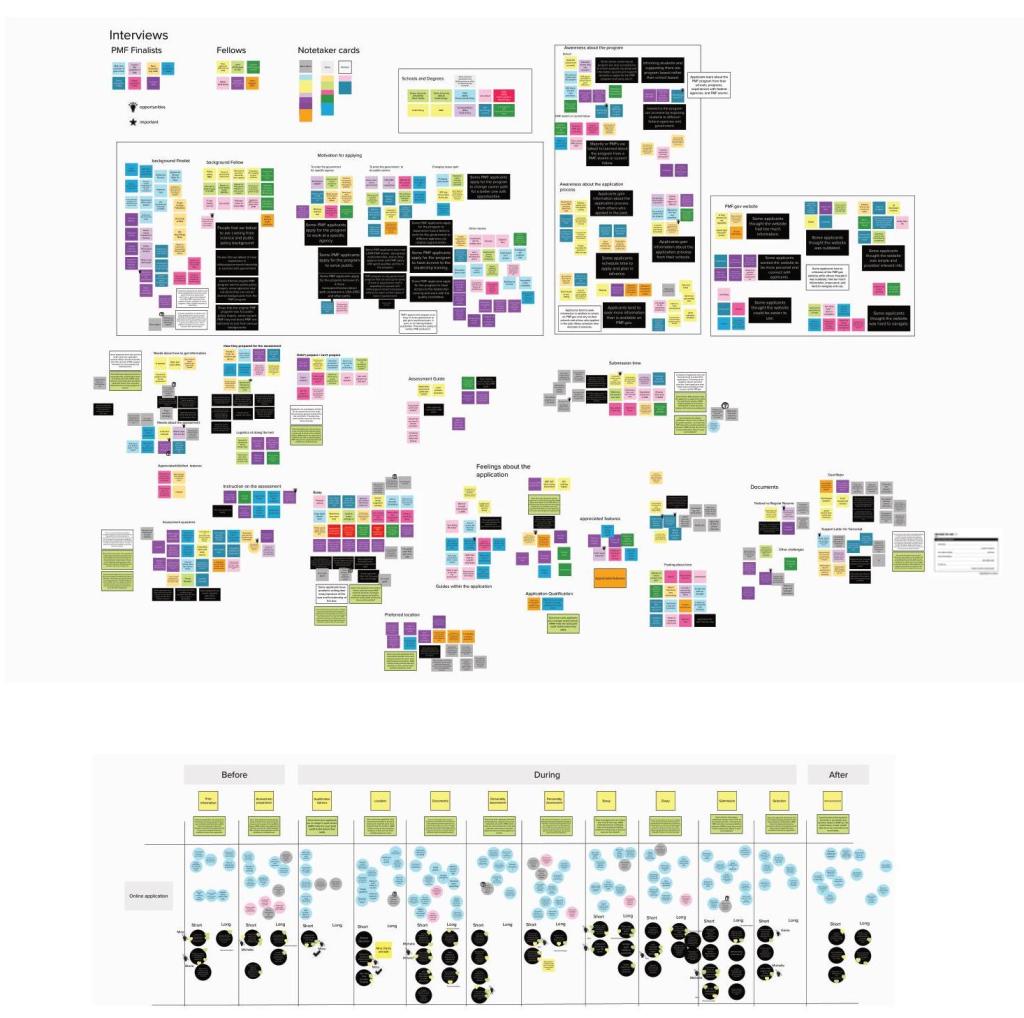
Data synthesis and Ideation
Improving the USA Performance Platform for 8 Million Users (2018)
In hierarchal organizations, usually managers and supervisors are responsible to provide feedback to evaluate and improve staff performance. There are various platforms and systems to provide such feedback. Across the public sector in the United States, USA Performance platform is being utilized by 40 agencies. USA Performance enables agencies to automate their performance appraisal process throughout the entire performance rating cycle. Agencies can develop performance plans, track and monitor employees’ performance, provide feedback and ratings, and electronically sign performance plans as agency appraisal programs require.
I was a Designer with OPM to improve the USA Performance for the backend users (software developers and admins). This project started in 2018 and took six months. We were a team of three designers and one project manager. My role was planning the user’s research and data synthesis. Together with the team we interviewed twenty staff, and analyzed the data. The insight from the research guided key changes on the online platform which we built the prototypes and tested them in a second round interview with ten additional staff. The USA Performance used our recommendation to improve the system for both users and staff.
In 2019, the USA Performance was selected for the Public Sector Innovation Award.
AHEAD, An Application For Educating Teenagers on Zika Virus in Jamaica (2016)
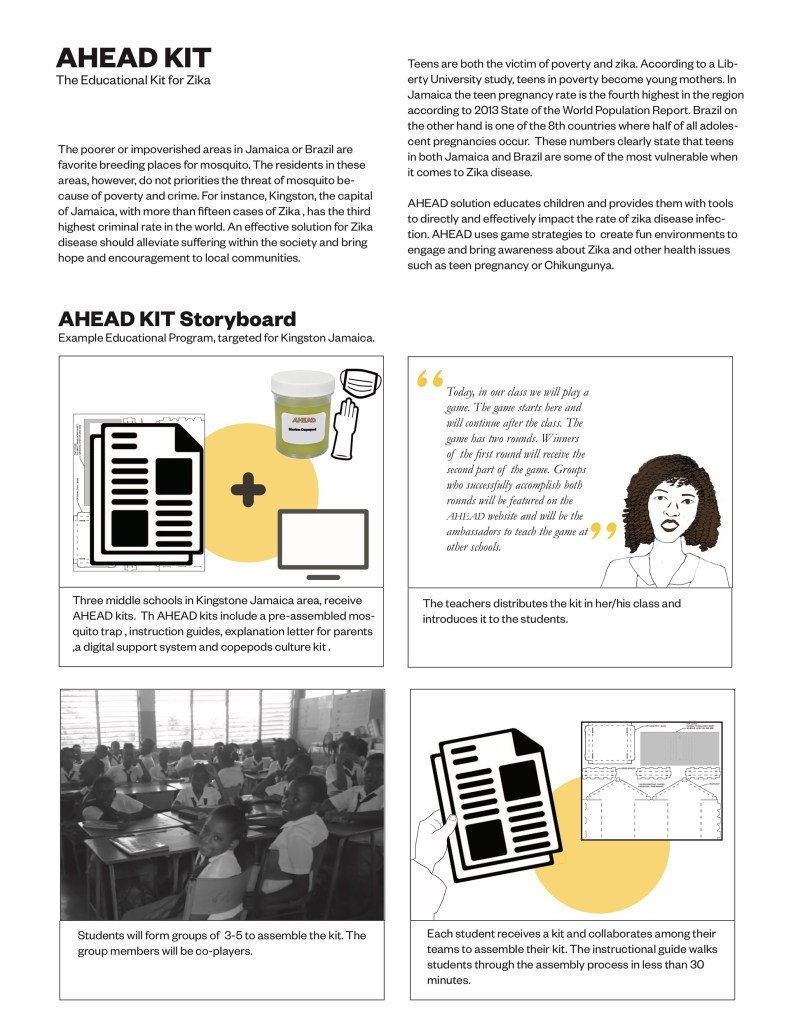
I freelanced with an NYC based company to fight Zika virus in Jamaica. I found and interviewed five Jamaican students and researched about Jamaican society for two months. AHEAD solution started with a trap, but after researching, we realize that Zika is not people’s priority in Jamaica due to poverty and the crime rate. Therefore, selling the trap in the market was not an effective solution for Zika.
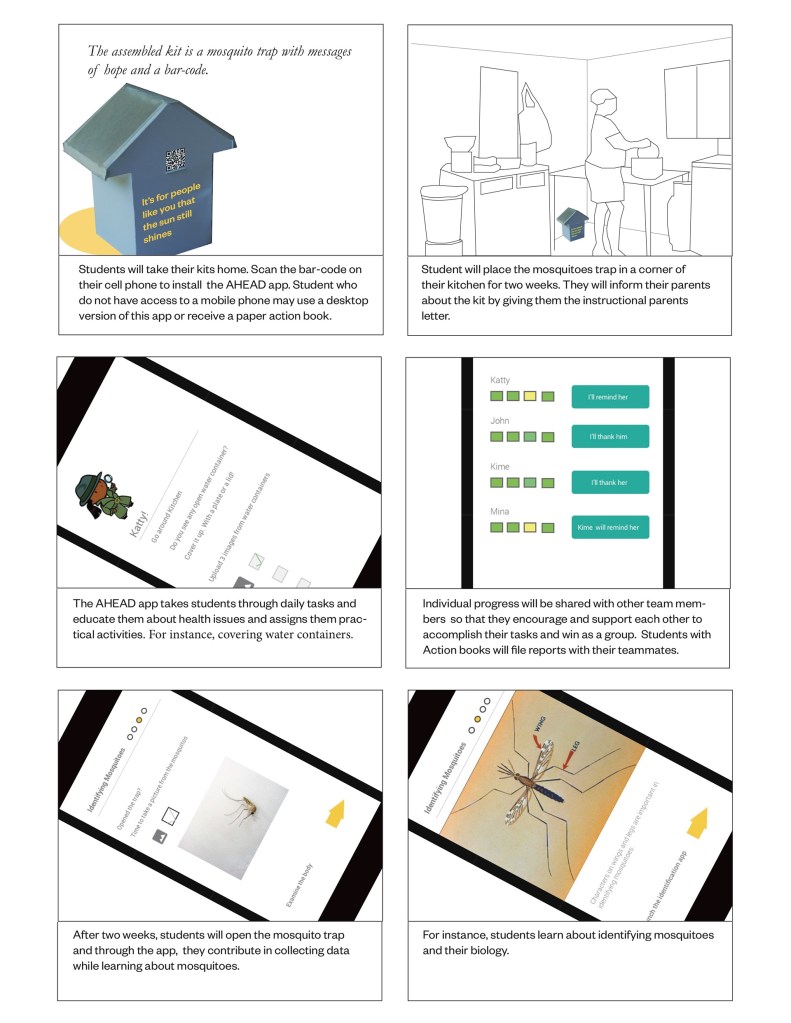
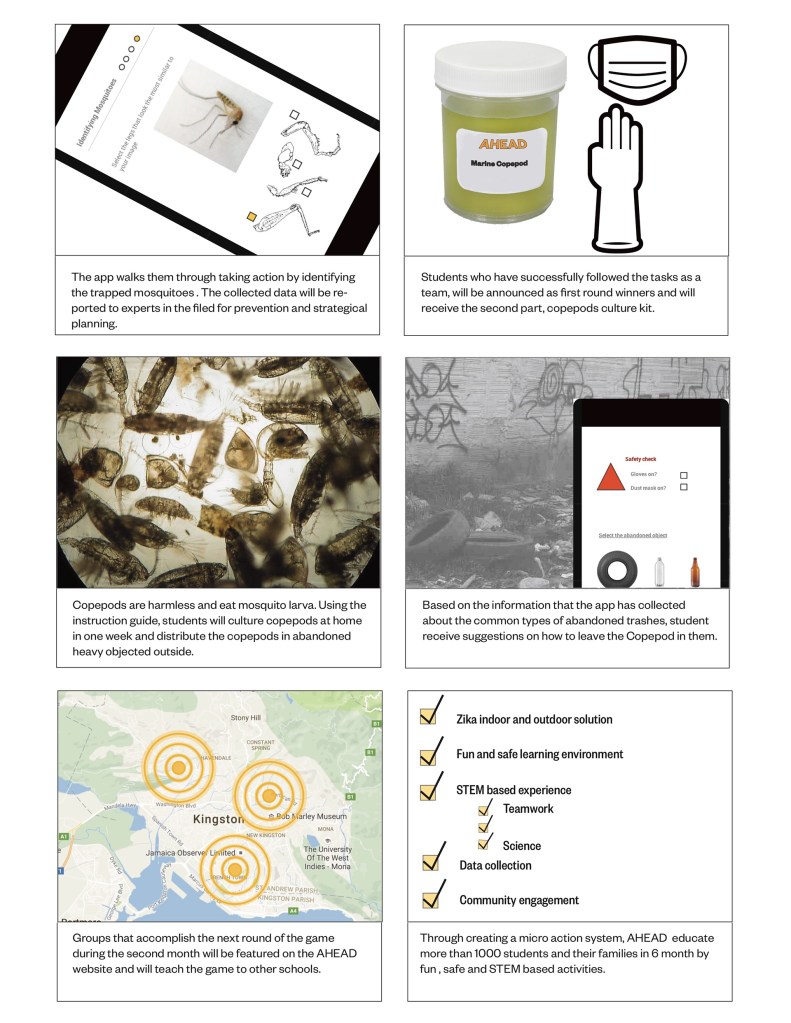
I recommended an education plan within middle schools to inform families about Zika and introduce practical ways to avoid the spread of the disease. I created the storyboard and sketch-plan which is presented below.
 Embracive Design